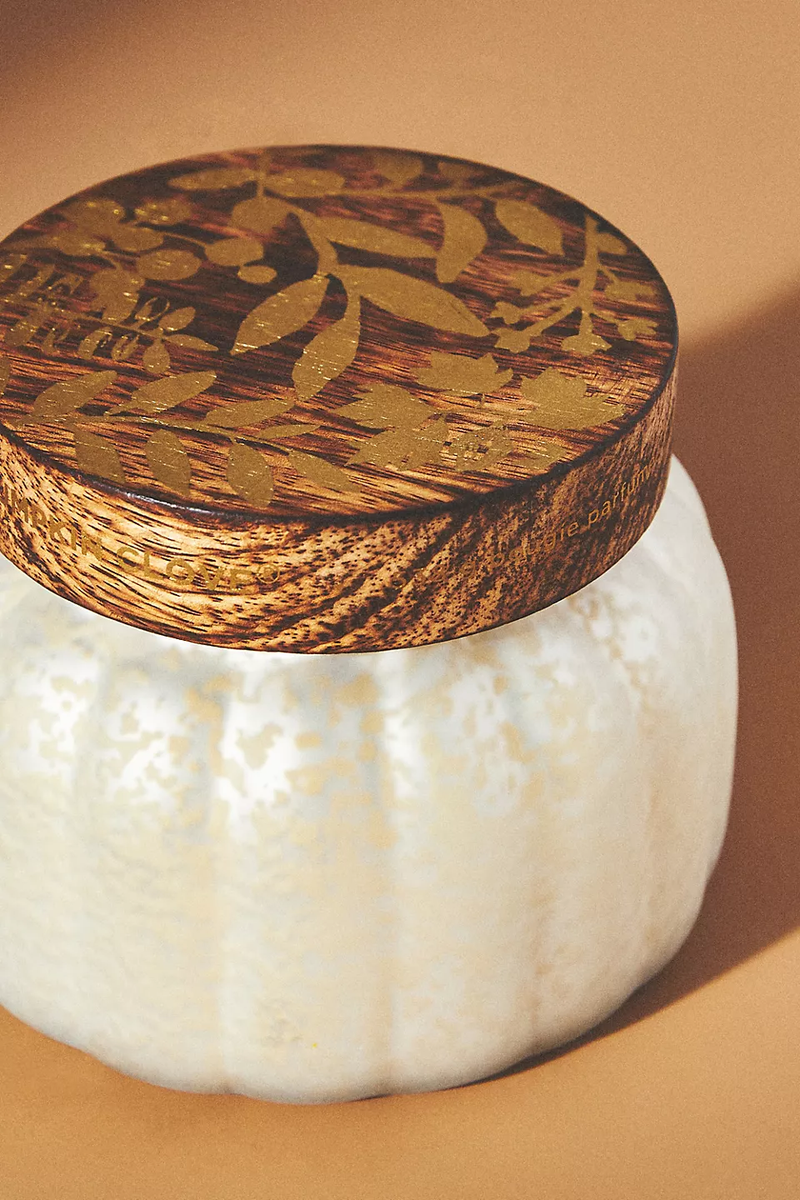
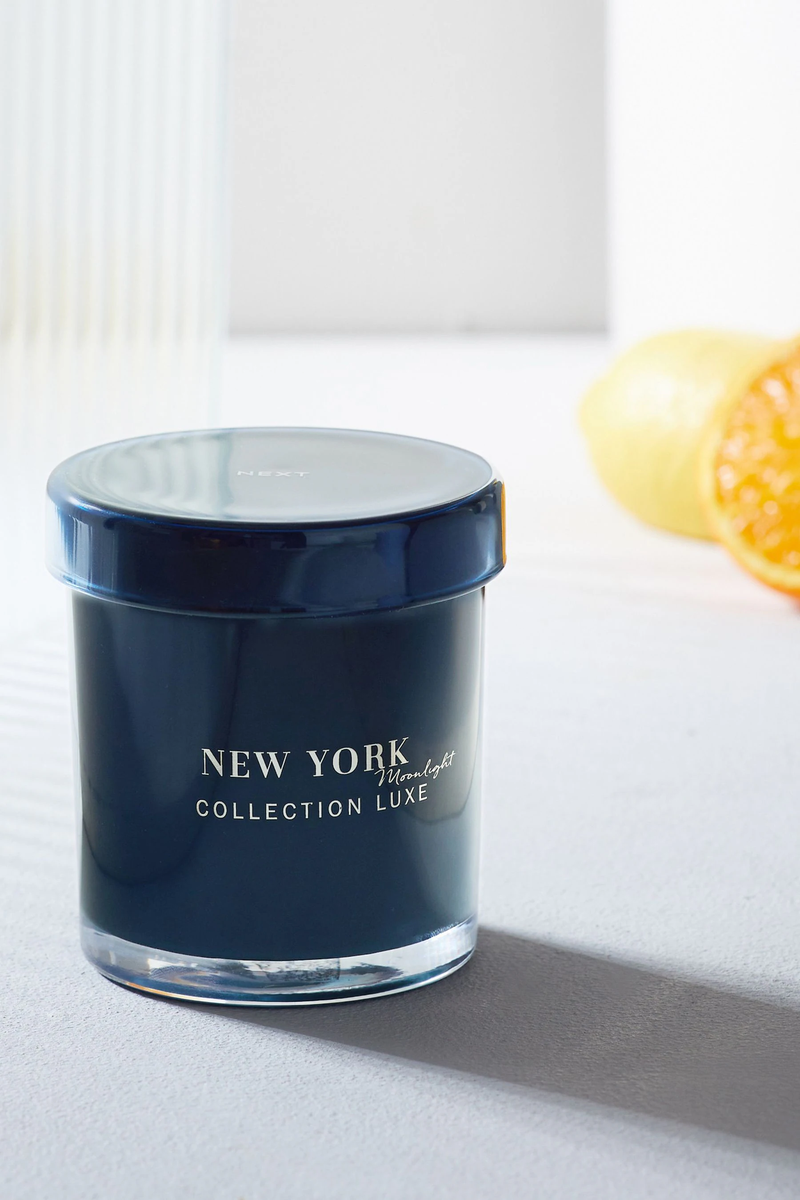
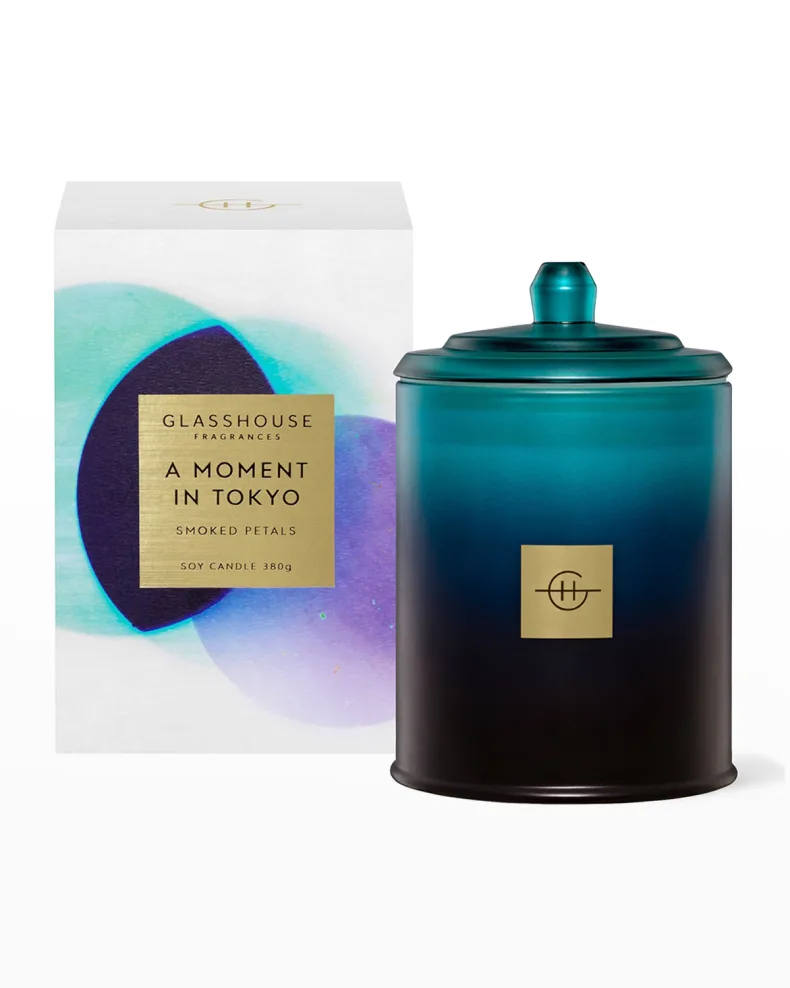
Walk into any candle showroom and you'll see the same two finishes everywhere: frosted glass and spray-coated glass. Side by side on a shelf, both look like satin white candle jars. To the procurement team comparing two factory quotes, they look interchangeable.
They're not. One is a permanent change to the surface of the glass itself. The other is a thin layer of paint sitting on top of clear glass. That difference shows up six months later - in returns, in how the candle photographs after a customer lights it three times, in whether the brand's printed label is still legible.
Here's what we've learned running both processes in our Firozabad facility, and how to decide which one fits the candle you're actually shipping.
What "frosted" really means
Frosted glass - sometimes called acid-etched, sometimes sandblasted, depending on the method - is glass whose surface itself has been roughened on a microscopic level. Acid etch uses a hydrofluoric acid bath; sandblasting uses high-pressure abrasive media. Either way, light hits the surface, scatters, and the glass looks satin-white because of the scatter, not because anything was added.
The two-second test: run a fingernail across the surface. Frosted glass feels like fine sandpaper. The texture is the finish.
What that means in practice
- Indestructible look. The finish can't chip off because it isn't on top of anything. Dropping a frosted jar might break it, but it won't scuff the finish.
- Survives the candle burn. When a customer burns a candle for the third or fourth time, the inside of the jar gets hot (often 60–80°C at the rim). Frosted finishes don't care. Painted finishes sometimes do.
- Dishwasher safe. If the candle is meant to be refilled or repurposed as a tumbler, frosted survives the dishwasher. Painted does not, regardless of what the topcoat data sheet claims.
- Slightly translucent. A flame inside a frosted jar glows through the wall. Inside a thick spray-coated jar, it doesn't. For ambient-light brands, this is the deciding factor.
The trade-offs
- Higher unit cost. Etching is a chemical process with handling overhead and waste treatment. Expect 15–30% more per piece than spray-coating at the same volume.
- Less colour flexibility. Etched glass is monochromatic - translucent satin. You can't get "matte teal" with etch; you get "satin clear." Colour comes from tinted glass or interior coatings, both of which add cost.
- Label adhesion is fussy. The micro-textured surface eats adhesive. Use a higher-tack label stock and validate on actual samples; what works on smooth glass often peels at the corners on etched.
What "spray-coated" really means
Spray-coated jars are clear glass that have been painted on the outside (and sometimes the inside) with a pigmented coating, then cured in an oven. The coating is real - it's a polyurethane or epoxy-based paint, not just a wash - but it is a layer on top. The glass underneath is unchanged.
The two-second test: run a fingernail. Spray-coated feels like a smooth painted surface, slightly waxy compared to bare glass. Look at the lip (where the lid sits): if the paint stops just below the rim, it's spray-coated. Frost typically goes all the way over the rim because there's no coating to mask.
What that means in practice
- Any colour, any finish. Pantone-matched matte black. Pearl champagne. Two-tone gradient with a metallic top. If your brand needs a specific colour, this is the only practical route.
- Lower unit cost. A clear blank jar with a spray pass is cheaper than the equivalent etched piece in production runs above 1,000 units.
- Sharper printing. A spray-coated jar is a smooth substrate. Screen-printed logos and pad-printed labels sit cleaner than they do on textured frost.
- Faster prototyping. A new colour is a new paint pot. We can ship a colour sample in a week. A new etch depth requires more setup.
The trade-offs
- It can chip. Spray coatings are tough - modern automotive-grade coatings can take a fingernail and a key - but they can scratch under hard impact (drop, abrasive packaging). The chip exposes clear glass underneath, which is visually obvious.
- Heat sensitivity over time. Repeated heat cycles soften some coatings. After 50+ burns, low-grade coatings can develop a faint yellow cast or hairline crazing near the rim. We use only thermally-cured coatings rated to 200°C for this reason - but it's worth specifying.
- Not dishwasher safe. Don't promise refillable / reusable on a spray-coated jar unless you've tested it through 20 dishwasher cycles with the actual coating you're shipping. Most won't survive.
- Edges show. Where the spray stops (typically just below the rim), you'll see a thin clear line. Some brands love this; some hate it. Specify "full-cover" if you want it over the rim - adds a small amount per piece.
How to choose, in 30 seconds
Pick frosted if:
- The candle is premium ($25+ retail) and the jar is part of the gift
- You want the flame to glow through the glass
- The jar might be refilled or repurposed
- You don't need a specific brand colour - neutrals work
- You can absorb the 15–30% cost premium
Pick spray-coated if:
- Your brand is built on a specific colour or palette
- You're hitting a competitive retail price point ($8–$18)
- You want crisp printed branding on the jar
- You're iterating quickly - testing colourways
- The candle is single-use; refilling isn't a brand story
The third option nobody talks about
You can do both. The most underrated finish in the industry is frosted glass with a spray-coated interior. Customer sees a satin white exterior that ages perfectly. The candle wax sits against a pigmented interior wall, so the colour shows through the satin from inside. The flame glows the colour of the interior coat. It looks like a much more expensive piece than either pure option costs to make.
It's about 10–15% more than plain spray-coated, 5–10% less than full external paint with frosted edge banding. We've started recommending it as the default for new candle brands launching premium lines - it photographs beautifully and ages well.
A buyer's checklist
Whichever finish you pick, validate these in person on the actual production run, not just on a marketing sample:
- Drop test: 30 cm onto a wood floor. Does the finish show damage?
- Burn test: Fill, light, burn down 50%. Repeat 5 times over a week. Examine the rim and the inside wall for crazing, discolouration, or coating delamination.
- Label test: Apply the production label, leave at 35°C / 70% humidity for 48 hours. Do the corners lift?
- Sun test: Place by a south-facing window for two weeks. Does the colour shift? UV-stable spray coatings exist; cheap ones yellow.
- Pack test: Pack 6 jars in the shipper carton you'll actually use. Drop the carton 60 cm. Open it. How many finishes are damaged?
Any reputable manufacturer will sample-test these for you before you commit to a PO. We do - and we'd rather catch a finish problem at sample stage than ship 10,000 pieces you can't sell.
This is part of a field-notes series on glass decoration from our facility in Firozabad. Need samples in both finishes for your next candle launch? Start an RFQ - sample kits ship in 7 days.