"What decoration finishes do you offer?" is the wrong question to ask a glass manufacturer. The right one is: "given what I'm making, what would you use?" Because finishes aren't interchangeable. A finish that's perfect for a $35 candle is wrong for a $8 reed diffuser. A finish that survives the dishwasher dies in three weeks under direct sun. A finish that costs $0.40 in 50,000-piece runs costs $2.20 in 500-piece runs.
Here are the nine standard finishes our facility runs day-to-day, ranked by the use case each one actually wins.
1. Spray colour (paint)
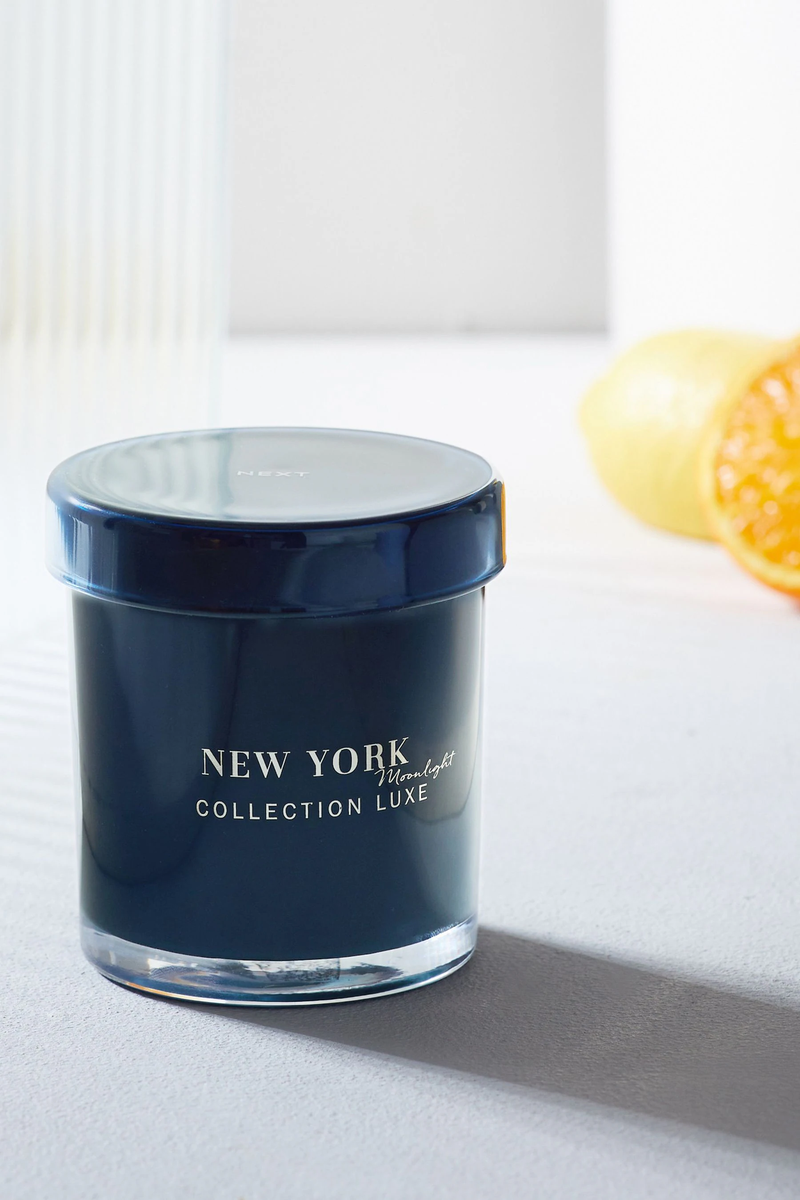
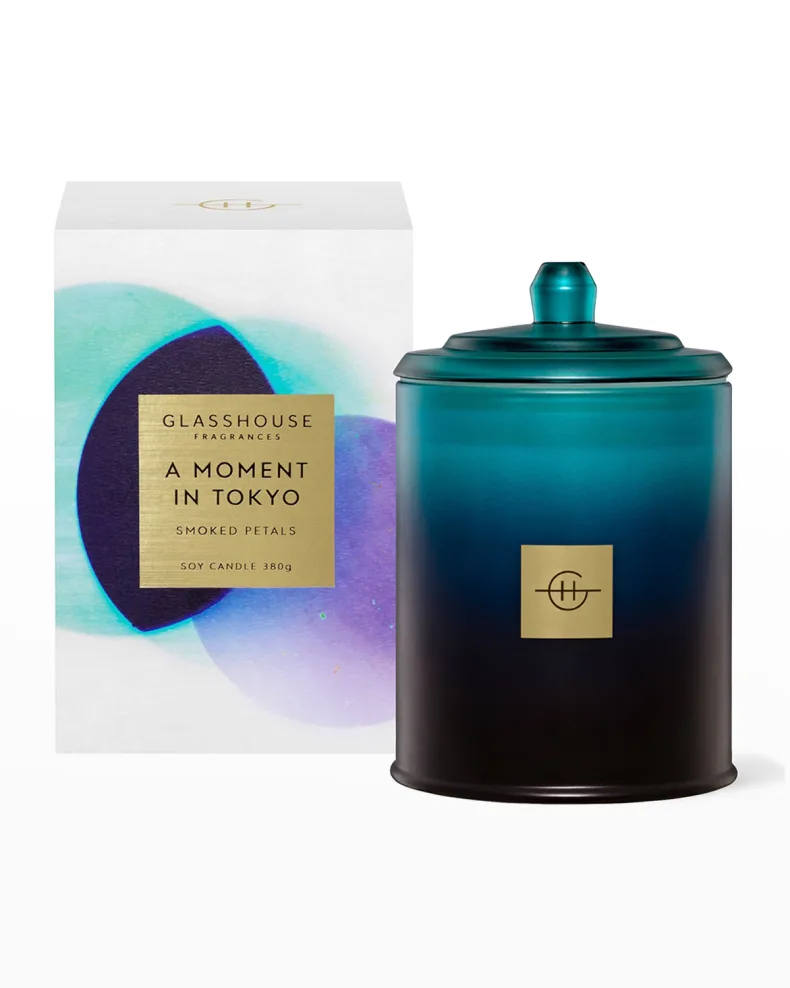
What it is: A pigmented coating sprayed onto the outside of clear glass, oven-cured. Can be matte, satin, gloss, metallic, pearl, or two-tone.
Where it wins: Brands built around a specific colour. Pantone-matched packaging. Mid-market candle and fragrance lines at $10–$25 retail. Anything that needs to coordinate with a printed label or secondary packaging.
Where it loses: Premium gift packaging where the customer expects the finish to feel like the glass itself. Dishwasher-safe applications. Outdoor / high-UV applications without UV-stable formulations.
Cost / MOQ: $0.40–$0.90 per piece adder; MOQ 500 pieces; setup $80–$200.
2. Frost etch (acid frosted)
What it is: The surface of the glass is chemically etched in a hydrofluoric acid bath, creating a permanent micro-textured satin finish. Glass itself is changed; nothing is added.
Where it wins: Premium candles ($25+). Diffusers where the flame or reeds glow through translucently. Refillable / dishwasher-safe packaging. Brands whose visual identity is "less is more."
Where it loses: Specific colour matching (frost is always satin clear). Sharp printed branding (label adhesion is fussy). Tight retail price points.
Cost / MOQ: $0.55–$1.20 per piece adder; MOQ 500 pieces; setup $50–$150.
3. Decal application (ceramic transfer)
What it is: A printed image on a transfer paper, applied to glass and fired in a kiln at 580–620°C. The pigment fuses into the surface; the paper burns away.
Where it wins: Complex multi-colour imagery - botanical illustrations, photographs, intricate logos. Premium gift packaging where the decoration needs to last decades. Food-contact decoration (ceramic decals are food-safe after firing).
Where it loses: Low MOQs (decal printing has a setup cost). Speed (kiln firing adds 24+ hours to the production cycle). Curved surfaces with extreme compound curves (the decal won't lay flat).
Cost / MOQ: $0.80–$2.20 per piece adder; MOQ 1,000 pieces; setup $300–$800 (decal artwork + print plates).
4. Gold band (organic gold leaf)
What it is: A hand-applied band of liquid gold leaf around the rim, shoulder, or base of the bottle, fired in a kiln at 480–520°C. Real precious-metal content; not a paint.
Where it wins: Premium fragrance bottles. Limited-edition candle releases. Anything where the customer should perceive the packaging as a piece of objet, not a container.
Where it loses: Cost-sensitive lines. Dishwasher applications (gold scratches off). Microwave applications (real metal arcs).
Cost / MOQ: $1.20–$3.50 per piece adder; MOQ 500 pieces; gold leaf is priced by gram and varies with spot price.
5. Screen print (direct UV print)
What it is: Pigmented UV-curable ink pressed through a screen onto the glass surface, then UV-cured in seconds.
Where it wins: Crisp brand logos. Limited-colour graphics (1–4 colours typical). Mid-volume runs where decal economics don't make sense. High-throughput production lines.
Where it loses: Photographic imagery (screen print is not continuous tone). Outdoor / high-UV applications (UV inks fade faster than fired ceramic decoration). Repeated heat cycles (some screen-print inks can soften after extensive candle burning).
Cost / MOQ: $0.25–$0.70 per piece adder per colour; MOQ 1,000 pieces; setup $80–$220 per screen.
6. Hot foil stamping
What it is: A heated metal die transfers a foil (metallic or pigmented) onto the glass surface under pressure. Looks like gold/silver/copper hot-stamp on paper, but on glass.
Where it wins: Logo applications where the brand wants a metallic accent without the cost (or MOQ) of real gold. Mass-premium positioning. Quick turnaround projects.
Where it loses: Large coverage areas (foil cost adds up). High-touch zones (foil can scratch). Multi-colour designs.
Cost / MOQ: $0.30–$0.80 per piece adder; MOQ 500 pieces; setup $120–$300 (die fabrication).
7. Satin polish (mechanical)
What it is: Mechanical sanding of selected zones of the glass - typically a band, panel, or pattern - to create a satin texture by abrasion rather than chemistry.
Where it wins: Selective frosted-look effects (a frosted shoulder on a clear bottle, for example) where acid etching would be over-treatment. Cost-conscious projects where the look of frost is wanted on a small zone.
Where it loses: Full-surface coverage (acid etch is faster and more uniform). Premium tactile feel (mechanical satin is slightly more uneven than acid etched).
Cost / MOQ: $0.40–$0.80 per piece adder; MOQ 500 pieces; setup $40–$100.
8. Electroplating
What it is: A thin metallic layer (gold, silver, chrome, bronze) is electrochemically deposited on a primed glass surface. Looks like solid metal.
Where it wins: Statement pieces. Holiday and limited-edition releases. Lid and base accents on premium fragrance lines.
Where it loses: Mass production economics (electroplating is slow). Anything that needs to be UV-stable for years (the metallic finish can tarnish over time even under proper sealing).
Cost / MOQ: $1.50–$4.20 per piece adder; MOQ 1,000 pieces; setup $400–$800.
9. Laser etch (CO₂ laser engraving)
What it is: A CO₂ laser engraves a frosted pattern into the glass surface by micro-fracturing. Used for logos, serial numbers, batch codes, and pattern fills.
Where it wins: Variable data (numbered editions, serial numbers, QR codes). Subtle "watermark" branding on premium pieces. Logo etching where acid etching would be over-engineered.
Where it loses: Large-coverage decoration (laser is slow per square cm; volumes get expensive). Coloured decoration (laser etch is always greyscale-white).
Cost / MOQ: $0.60–$1.50 per piece adder; MOQ 100 pieces; setup $150–$400.
How to decide, in one paragraph
For most candle and fragrance brands at first commercial volume, the right answer is one of three: spray colour if your brand is built on colour and you're at competitive price points; frost etch if you're premium and want the finish to feel like the glass; or spray colour with screen-printed logo as a slightly fancier hybrid. Save decals, gold band, and electroplating for the limited-edition tier, where the unit economics support them. Hot foil and laser etch are accent finishes - pair them with a base decoration, don't make them the whole story.
Above all: get samples in all the candidate finishes before locking the decoration spec. Photos don't tell you what frosted glass feels like in the hand. The decision is fundamentally tactile, and the tactile differences are why customers pay the premium for one finish over another.
Want a sample kit of all nine finishes? We ship the standard kit for ₹4,800, refundable on a PO. Request the kit.